Learning notes / An introduction
What did you see? What did you assume?
An encounter can be over in seconds. Understanding it often takes longer. A useful place to begin is the difference between what happened and the meaning we gave it.
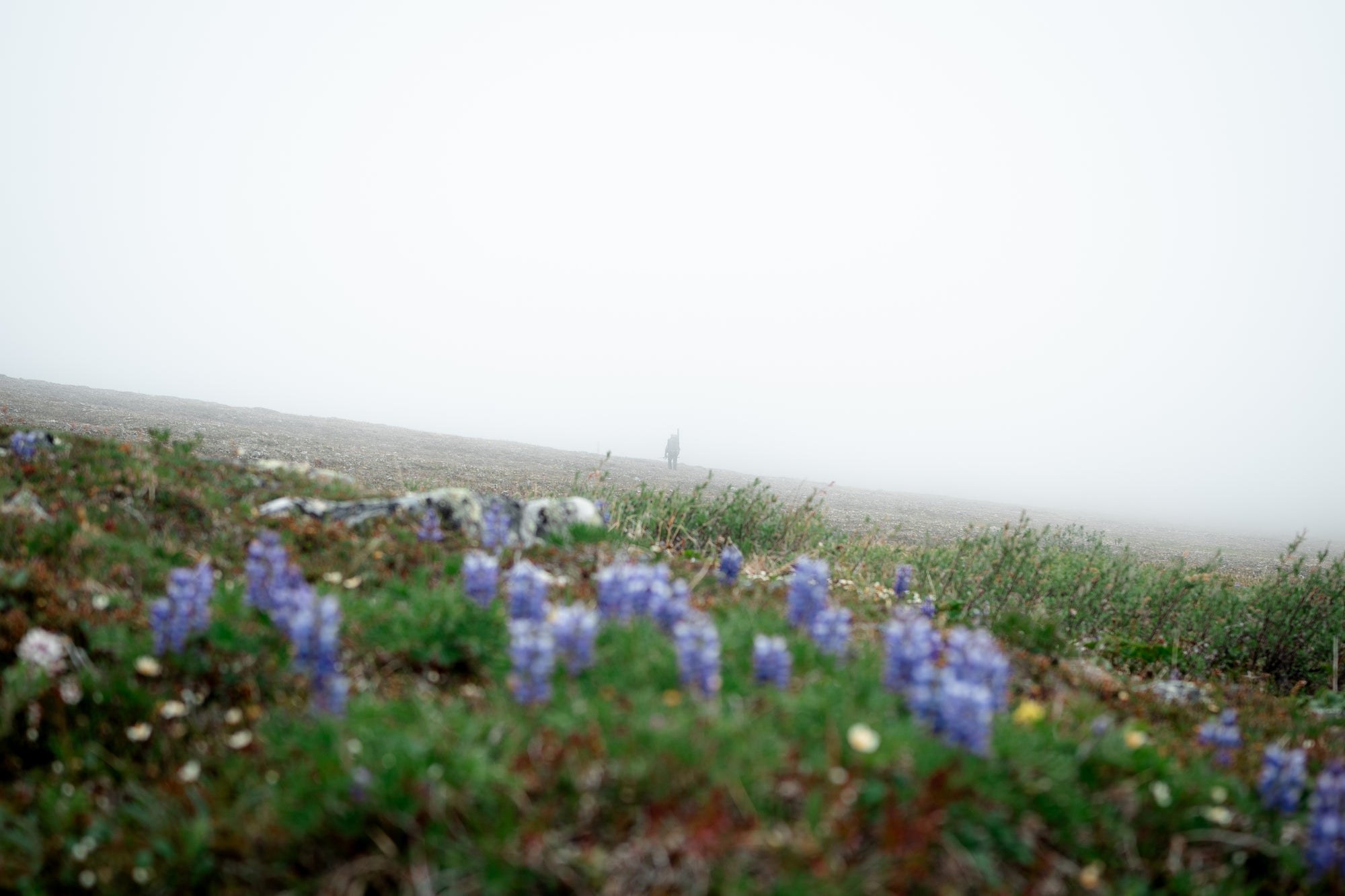
Observation
Describe the moment before explaining it.
Try this with a scene in a wildlife film. Describe the movement, the space and the sequence of events in plain words. An animal stopped. It looked in a direction. Another animal moved. Those observations are different from deciding that it was angry, friendly or afraid.
An interpretation may be worth exploring, but it should remain open to evidence. One moment rarely gives the whole story.
Context
Look beyond the animal in the frame.
Ask what else you can see. Where are the other animals? What does the surrounding ground look like? What changed before the movement? What might be outside the camera’s view?
A film is a selection of moments, shaped by the camera and the edit. It can spark useful questions without showing every detail needed to interpret an encounter.
What is visible?
List actions and surroundings you can actually describe.
Choose a film to watchWhat is uncertain?
Notice where your explanation goes beyond the evidence in the frame.
Explore uncertainty and fear
The learning ahead
Knowledge grows through questions.
This habit of distinguishing observation from assumption is one starting point for Navigate and Negotiate With Nature. Future teaching will need the context of particular animals, places and situations.
These notes are an introduction to watching and thinking. They are not instructions for approaching wildlife or responding to a dangerous encounter. In the field, follow the rules and current guidance of the place you are visiting and the qualified people responsible for your activity.